
Baldi's Basics® Classic
Basically, Games!Strategy
4.29.72K Reviews
- Version
- 1.4.5
- Installs
- 50.00M
- Age Rating
- Everyone
Screenshots
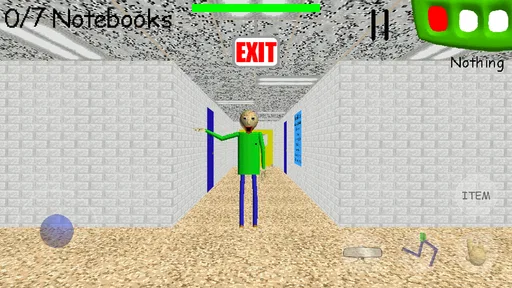
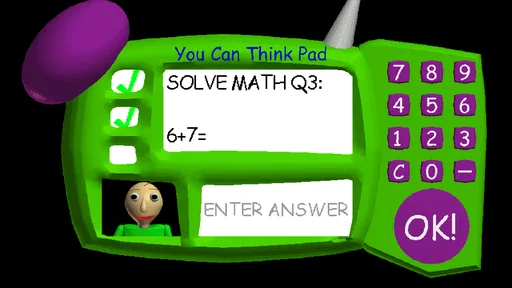
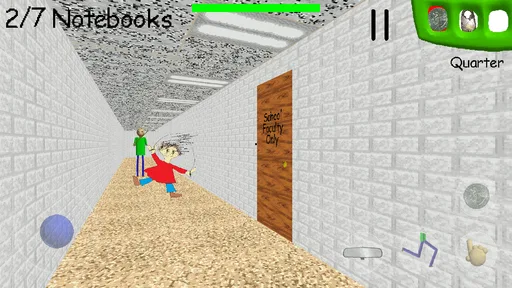
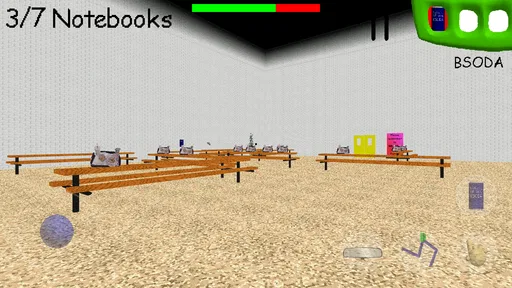
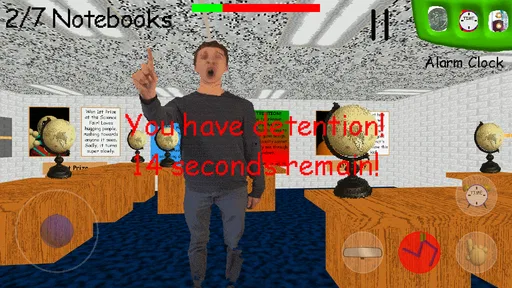
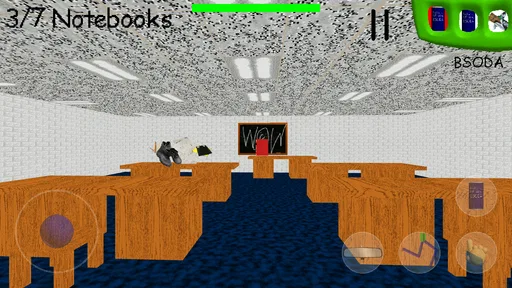
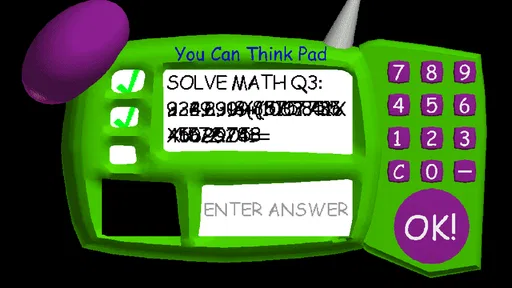
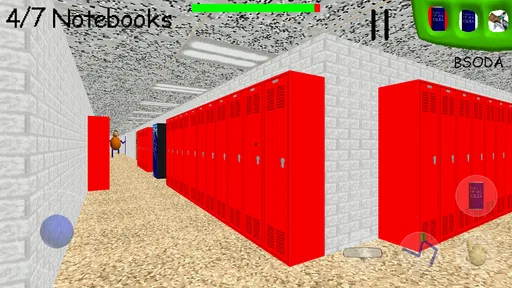
Our Review of Baldi's Basics® Classic
 Analysis by Appyee
Baldi’s Basics® Classic is the kind of strategy game that looks deliberately simple until it starts putting pressure on you. I went in expecting a lightweight school-themed joke, but the experience is closer to a tense escape challenge wrapped in deliberately awkward educational imagery. You move through a strange school, solve problems, collect what you need, and try to stay ahead of Baldi while the situation becomes harder to control. The humor is important, but the real appeal comes from learning how to make better decisions when every mistake can change the route.
It is a free game from Basically, Games!, released on December 16, 2019, and it has become a very familiar name among players who enjoy unusual horror games. The store rating sits at 4.2 from around 206 thousand ratings, while the game has passed 50 million installs. Those figures make sense to me: it is easy to understand in seconds, visually distinctive, and entertaining to watch as well as play. Still, its unusual style means it will not suit everybody, especially people looking for a polished, traditional strategy title.
How the game feels in actual play
I found the game works best when I treat each attempt as a small experiment rather than a test I have to pass immediately. I’ll focus on one useful lesson—such as avoiding an unhelpful detour—then carry it into the next run, which makes early setbacks feel manageable. That first bit of progress also makes the school’s odd rules easier to read, setting up the next look at how the experience unfolds once I’m moving.
Fast reactions matter more than perfect planning
The first thing I noticed was that the game does not feel slow simply because its graphics are basic. The school layout gives you a constant reason to keep moving, and the threat behind you makes ordinary navigation feel urgent. At the beginning, I was tempted to explore every corner carefully. That approach quickly became a problem. The better habit is to make a rough plan, grab the important items, and keep enough awareness to change direction when the school stops behaving as expected.
This is where the strategy category becomes meaningful. You are not building a base, managing a team, or comparing long menus of statistics. Your strategy is personal and immediate: which corridor is safer, whether an objective is worth the risk, and when to stop searching and start escaping. The game rewards route memory, timing, and restraint. Running around without a plan often feels fast, but it usually creates more trouble than progress.
I also found that perceived speed changes depending on how well I understood the environment. During an early attempt, the school felt confusing and slow because I was constantly correcting myself. After learning the general flow, the same movement felt much quicker. That is a useful distinction for new players: the game may feel demanding before it feels fast, because the main delay is often decision-making rather than movement itself.
What happens when the school gets busy
The most stressful moments arrive when several problems overlap. A mistake on a task can make the next part of the route more dangerous, while an unexpected encounter can force you away from the path you had prepared. I learned not to treat every objective as equally urgent. Sometimes the smartest move is to leave an area before it becomes crowded with complications, even if that means abandoning a convenient opportunity.
That trade-off gives the game more depth than its cartoon presentation suggests. You are constantly weighing short-term progress against future safety. Picking up something useful may save time later, but reaching it can expose you to a worse position now. I recommend thinking in terms of escape options rather than simply collecting everything visible. Keep a mental note of nearby turns and open routes before committing to a risky action.
One practical technique helped me during repeated attempts: I stopped trying to remember the entire school and instead remembered decision points. I focused on where I could turn, where I had previously become trapped, and which areas felt safe enough to pause. This reduced mental load and made failures more informative. The game becomes less frustrating when each attempt teaches one route lesson instead of feeling like a complete restart with no benefit.
The unusual tension behind the comedy
The educational parody setting is funny because it looks harmless at first. Bright, simple visuals and exaggerated characters create a strange contrast with the pressure of being pursued. I would not describe the mood as conventional horror, but it can still make me uncomfortable in a good way. The sound and sudden changes in control over the situation are more effective when I am already trying to concentrate.
That contrast also explains why the game works well for short sessions. I can play for a few minutes, fail, understand what went wrong, and try again without needing a long story recap. It is a good fit for someone who enjoys challenge built around repetition. On the other hand, players who dislike restarting after mistakes may find the design tiring rather than exciting.
Stability and recovery after a failed attempt
Failure is central to the experience, so recovery is not about loading a complex campaign or rebuilding a large collection. It is about quickly understanding the mistake and making another attempt with a better idea. I liked that rhythm because it keeps the focus on learning the school rather than managing a long-term progression system. A failed run can be annoying, but it is usually easy to identify the decision that caused the collapse.
My advice is to pause mentally after a loss instead of immediately repeating the same route. Ask whether the problem was poor timing, unnecessary exploration, or a failure to keep an escape path available. That small review makes the next run more purposeful. If you simply rush back in while annoyed, the same mistake tends to happen earlier.
Because the game is built around compact attempts rather than a large persistent world, it is also easier to recover when interrupted by everyday life. I could put it down after a failed run and return later without needing to remember a complicated plot. That makes it more convenient than many strategy games that expect long sessions and careful resource tracking.
How demanding it feels on a phone or tablet
Baldi’s Basics® Classic is available for free and carries an Everyone content rating, so it is broadly accessible from an audience standpoint. Its deliberately simple visual presentation also makes it appear less demanding than modern three-dimensional games. I would still avoid assuming that every older or modest device will feel identical. Touch controls, screen size, background activity, and the way a device handles games can all affect comfort, even when the art style is uncomplicated.
The minimum operating system is Android 5.1, which gives the game a wide compatibility range on Android devices. That is useful if you are using an older phone and do not want a recent, graphics-heavy release. However, compatibility is only one part of the experience. A smaller display can make quick turns and visual reading less comfortable, while a device with a crowded background workload may feel less responsive than expected.
For the best experience, I would close unnecessary apps before playing, keep the screen clean, and use headphones only if you are comfortable with the game’s tense atmosphere. I would also avoid judging performance from the first few seconds alone. Let the game run through a normal attempt and pay attention to whether controls remain comfortable during a chase. Perceived responsiveness matters more here than visual detail, because a small hesitation can change a decision even when the graphics themselves are simple.
Where it sits beside other strategy games
Compared with conventional strategy games, this one is much more immediate and personal. There are no long planning screens to study before acting. The challenge comes from moving through a hostile situation while adapting to mistakes. If you normally enjoy tower defense, turn-based tactics, or management games, you may appreciate the decision-making but miss the deeper systems and slower control those genres usually offer.
Compared with ordinary horror games, it is less focused on atmosphere, narrative, or realistic presentation. The rough style is part of the point, and the parody can make the tension feel absurd rather than grim. Players who want a serious horror story should probably choose something else. Players who enjoy watching streamers react to unexpected pressure, or who like games that turn awkward design into a source of humor, will likely understand its appeal quickly.
It is also different from casual puzzle games. The problems are not isolated exercises where you can calmly reset each answer. Solving something is only one part of the run; you still have to consider what your action has changed and whether you can safely continue. That combination makes the game more memorable, but it also means it is not ideal when you want a peaceful brain teaser.
Who will enjoy it most
I would recommend it to players who like learning through failure, unusual parody, and short challenges that become more manageable with practice. It is especially suitable for someone who wants a game that can be picked up quickly but still creates tension after the basic controls are understood. Younger players may enjoy the cartoon presentation, although the pursuit and horror elements can still feel intense despite the Everyone rating.
A realistic everyday use case is a short break between tasks. I can start an attempt while waiting for an appointment, play until the run ends, and stop without losing track of a long narrative. It also works well as a shared game: one person can play while another suggests routes, comments on mistakes, or simply enjoys the strange presentation. That social quality is easy to overlook, but the game’s readable premise makes it accessible to spectators who have never played it.
I would skip it if you need a relaxing game, dislike repeated failure, or expect a deep educational experience because of the school theme. The educational element is part of the parody rather than a substitute for a learning app. I would also choose a more traditional strategy title if my priority were detailed planning, character development, competitive balance, or a long progression system.
Small habits that improve a run
My first useful habit was to avoid treating every visible item as mandatory. Exploration feels rewarding, but unnecessary detours can remove the safety margin you need later. Before entering a side area, I ask whether the possible benefit is worth losing a known route. This simple question prevents many impulsive decisions.
My second habit was to use mistakes as route markers. If I repeatedly fail in the same corridor, I do not just blame bad luck. I change the timing, approach from another direction, or decide that the area should be visited earlier. The game becomes more strategic when failure changes your plan instead of merely encouraging faster movement.
My third tip is to protect your attention. The game’s intentionally odd style can make it tempting to stare at every detail, but doing so while moving is risky. I found it better to scan briefly, commit to a direction, and keep checking the most useful information rather than trying to observe everything. This is particularly helpful on a phone, where the display gives you less room to process distractions.
A fourth trade-off is knowing when to abandon a perfect-looking route. The shortest path is not always the best path if it leaves no alternative when something goes wrong. A slightly longer route with more choices can be safer than a direct line. That lesson is one of the strongest reasons I see this as a strategy game rather than merely a chase novelty.
Version, audience, and long-term appeal
The current version is 1.4.5, and the game’s long presence on mobile helps explain why it has attracted such a large audience. I would not approach it expecting a modern, constantly expanding service game. Its appeal is more self-contained: learn the rules, improve your decisions, and enjoy the strange combination of comedy and pressure.
That self-contained structure is a strength for people who value simplicity, but it can also limit long-term motivation. Once the surprise fades, your enjoyment depends on whether you like refining routes and chasing better attempts. If you need new content, extensive customization, or a large competitive community to stay interested, the experience may feel narrow.
The developer, Basically, Games!, has created something that succeeds by being intentionally awkward. The low-fi presentation is not an obstacle to work around; it is the language of the game. Still, that choice means some roughness is part of the package. I found the style charming when I accepted it, but less appealing when I wanted precise, polished presentation.
My performance verdict
After spending time with it, I see Baldi’s Basics® Classic as a compact strategy-horror parody whose strongest performance is psychological rather than technical. It creates speed through pressure, makes heavy moments come from overlapping decisions, and lets you recover quickly by trying again with a better plan. Its simple presentation should make it approachable on a broad range of Android devices, while the Android 5.1 minimum keeps it accessible to older systems.
The important qualification is that simple graphics do not automatically make every moment effortless. The game can become mentally busy during a chase, and touch controls may feel less comfortable on a small screen. I would test it during a normal run rather than judging it only from its opening. If the controls feel natural and you enjoy learning from failure, the modest presentation becomes an advantage because it keeps attention on choices.
For me, the best reason to install it is that it turns a familiar school setting into a surprisingly effective decision-making exercise. It is free, easy to start, and distinctive enough that it does not blend into the usual mobile strategy crowd. I would recommend it to curious players who want a short, strange challenge and are willing to accept repetition, parody, and occasional frustration. Choose it for tense trial-and-error play, not for calm puzzles or a traditional strategy campaign.
Verdict
Strengths of Baldi's Basics® Classic
- Simple controls make it easy to start playing quickly.
- Retro graphics help the game run smoothly on many devices.
- Randomized events make each escape attempt feel different.
- Short sessions suit quick play breaks.
- The quirky humor gives the horror gameplay a distinctive style.
Limitations of Baldi's Basics® Classic
- Frequent jump scares may be uncomfortable for some players.
- The chase mechanics can feel frustrating rather than challenging.
- Progress may be lost after a failed attempt.
- The basic visuals may look dated to players expecting modern graphics.
- Some areas and objectives can become repetitive over time.
Similar Picks in This Category
View All
Clash of Clans
Supercell4.5

Plants vs. Zombies™
ELECTRONIC ARTS3.7

Lords Mobile: Kingdom Wars
IGG.COM4.5

Clash Royale
Supercell4.4

State.io — Conquer the World
CASUAL AZUR GAMES4.1

Car Driving School : Car Games
Spark Game Studios3.9
Frequently Asked Questions
What is Baldi’s Basics® Classic about?
Baldi’s Basics® Classic is a deliberately unusual survival-horror and educational parody game. You explore a strange school, collect seven notebooks, solve math problems, and try to escape while avoiding Baldi and other unpredictable characters. The game combines simple retro-style graphics with tense chases, bizarre humor, and sudden challenges, creating an experience that feels both nostalgic and intentionally unsettling.
Is Baldi’s Basics® Classic suitable for children?
Although the game uses colorful, low-detail graphics and appears to imitate an old educational title, it is not a conventional learning game for young children. The chase sequences, loud sounds, jump scares, and unsettling atmosphere may frighten some players. Parents should review the game’s age rating and consider their child’s sensitivity to horror, tension, and unexpected audio effects before downloading it.
How does the gameplay work?
Your main objective is to find and complete seven notebooks scattered throughout the school, then reach the exit without being caught. Each notebook contains math questions, and incorrect answers can make your escape more difficult. You must explore corridors, manage useful items, listen for approaching characters, and plan your route carefully because the school layout and hazards make every attempt unpredictable.
Does Baldi’s Basics® Classic require an internet connection?
The classic gameplay experience is generally designed to be played offline after installation, which makes it convenient for short sessions while traveling or when a stable connection is unavailable. However, download availability, advertisements, updates, platform requirements, and certain store-related functions can vary between Android and iOS versions. It is best to check the official store listing for the current details.
Is Baldi’s Basics® Classic free to download and play?
Baldi’s Basics® Classic may be available as a free download depending on the platform and region, but store listings and monetization details can change over time. Before installing, check whether the version includes advertisements, optional purchases, or additional content. Also confirm that your device meets the listed requirements, since performance and available features may differ between Android and iOS devices.
Play our best games!


